


The foundation of any luxury renovation starts with the cabinet box. You must choose the right construction method before picking paint colours or brass hardware. This structural decision dictates the entire look and function of your new space. Whether you are building a modern new build or restoring a historic property, understanding how your kitchen cabinets are built is the most critical step in the design process.
Choosing the right style ensures your custom kitchen cabinets will look beautiful and perform perfectly for decades. Let us explore the fundamental differences between frameless and inset designs to help you make the best investment for your home.
Custom Cabinet Construction Basics
The way a manufacturer builds the cabinet box changes everything from the interior storage space to the exterior aesthetic. You need to know exactly what you are buying when you invest in custom cabinets in Toronto or any other region.
What Are Frameless Kitchen Cabinets?
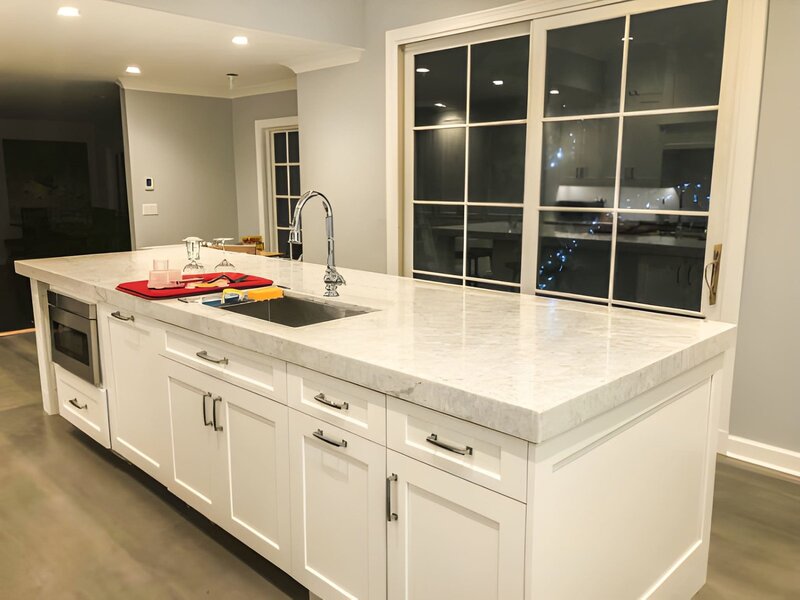
Frameless designs are often called European-style cabinets. The manufacturer builds a thick and sturdy box and attaches the door directly to the inside panels. Each door completely hides the front edges of the cabinet unit. This creates a completely smooth and seamless surface across all your kitchen cabinets. Modern homeowners love this look because it feels incredibly clean and uncluttered. You do not see a bulky wooden frame around the doors. This method relies entirely on the strength of the box itself. We build these boxes with premium materials to ensure they easily support heavy stone countertops.
What Are Inset Kitchen Cabinets?
Inset designs represent the absolute highest tier of traditional woodworking. The cabinet box features a solid wood face frame attached to the front. The doors and drawers sit perfectly flush inside this frame instead of resting on top of it. This style requires exact precision and patience. A master cabinet maker must leave a tiny and uniform gap around every single door. This small gap allows the wood to move and the door to open smoothly. It is a classic look that defines premium kitchen design. When you choose this style, you are investing in authentic craftsmanship.
The Role of the Face Frame
The face frame acts as the structural skeleton for all traditional framed cabinetry. It adds immense strength to the entire wall unit and prevents the cabinet box from twisting under extreme weight. For inset designs specifically, this frame provides a distinct visual border around every single door and drawer. This border adds beautiful depth and architectural character to your custom kitchen cabinets, making it the defining feature that separates classic inset craftsmanship from modern frameless options.
The Pros and Cons of Each Cabinet Style
Comparing the direct benefits and drawbacks of each construction method helps you make an informed financial investment. This simple breakdown ensures you choose the right fit for your daily cooking habits and your specific property layout.
1. The Pros of Frameless Kitchen Cabinets
- Maximum interior storage space: You get full access to the interior because there is no center face frame blocking the opening.
- Sleek modern aesthetic: The flush and seamless look is incredible for contemporary home designs.
- Effortless daily cleaning: Flat surfaces without protruding frame edges or small crevices leave nowhere for dust and cooking grease to hide.
- Highly practical daily use: This structural style is a perfect choice for busy families looking for stunning kitchen cabinets.
2. The Cons of Frameless Construction
- Box-dependent strength: The structural integrity of the unit relies entirely on the cabinet box itself.
- Requirement for premium materials: You must use high-grade plywood to prevent the box from sagging over time because cheap particle boards will fail quickly.
- Lack of historical charm: The modern and seamless look does not fit well with traditional heritage renovations.
- Stark visual appearance: The flat design might feel too minimalist or cold if you prefer a truly classic aesthetic.
3. The Pros of Choosing Inset Cabinetry
- The pinnacle of luxury: This design style represents the absolute highest tier of custom woodworking.
- Unmatched structural strength: The solid wood face frame provides incredible durability to withstand heavy daily use.
- Timeless bespoke appearance: The flush architectural look instantly elevates the room and adds immense character.
- Increased property equity: Installing high-end inset custom kitchen cabinets in Oakville, Toronto, or any other part of the GTA significantly boosts luxury resale value because buyers immediately recognize the premium craftsmanship.
4. The Cons of Inset Cabinet Designs
- Premium project costs: The intense manual labour and extreme precision required to build them drive up the manufacturing price.
- Reduced interior storage: You lose a fraction of your usable interior space due to the thick surrounding wood frame.
- High climate sensitivity: Natural wood can swell during humid Canadian summers and cause the doors to rub against the frame.
- Strict climate control needs: You must maintain very stable indoor humidity levels year-round to keep the flush doors operating smoothly.
Structural Differences That Impact Your Custom Kitchen Cabinets
The way your cabinets are built changes how you interact with them every single day. You need to understand these mechanical differences to ensure your new space functions exactly how you want it to.
1. Hinge Styles and Hardware Options
Frameless cabinets use completely hidden hinges mounted inside the box. This keeps the exterior looking very clean and modern. Inset cabinets give you the unique option to use beautiful exposed barrel hinges. These exposed hinges add instant character and historical charm to the room. Kitchen designers often use exposed brass or matte black hinges to tie the cabinetry perfectly to the plumbing fixtures and lighting.
2. Interior Storage Capacity Variations
Frameless construction provides full access to the cabinet interior. You do not have a center wooden stile blocking your large pots and bulky baking pans. You can slide wide items straight onto the shelves. Inset cabinets sacrifice a tiny amount of interior space because the wooden frame takes up room around the opening. You must account for this slight loss of space when planning your kitchen organization.
3. Door Clearances and Perfect Fit
Building inset cabinets requires extreme precision and years of experience. The builder must leave a flawless gap around every single door so it opens without ever rubbing the frame. Frameless doors are much more forgiving and easier to adjust after installation. The hidden hinges feature adjustment screws that allow installers to align the doors perfectly on site.
Aesthetic Appeal and Interior Design Styles
Your choice between these two distinct styles will completely define the aesthetic of your home. You should always match the cabinet construction to the architectural style of your property for the best results.
1. Modern Spaces with Frameless Designs
Frameless cabinets are the absolute standard for contemporary and minimalist homes. The flush doors create long, clean lines that stretch across the entire room. This method is perfect for high-gloss acrylic finishes or flat natural wood veneers. If you want a sleek and uninterrupted look for your custom kitchens, you should choose a frameless box construction.
- Perfect for slab door profiles
- Ideal for handleless push-to-open designs
- Highlights the beauty of continuous wood grain matching
2. Classic Heritage Homes with Inset Designs
Inset cabinetry feels entirely timeless and authentic. It is the perfect choice for historic renovations in older neighbourhoods. This style instantly signals custom craftsmanship and elevates the luxury feel of traditional spaces. When you want your new renovation to feel like it has always belonged in your classic home, you need the structural look of inset kitchen cabinets.
- Pairs perfectly with detailed Shaker doors
- Allows for decorative exposed hinges
- Enhances classic elements like crown moulding and corbels
3. The Transitional Kitchen Compromise
You can easily use either construction method for a beautiful transitional design. Pairing a simple Shaker door profile with a frameless box creates a clean but very warm look. Using that same simple Shaker door in an inset frame leans slightly more classic while remaining fresh and updated. Transitional designs give you the flexibility to mix modern appliances with classic custom kitchen cabinets.
Cost Comparison for Kitchen Cabinets
High-quality custom millwork is a major financial investment in your property. Understanding the specific price differences between these two methods helps you allocate your overall renovation budget effectively.
1. Why Inset Cabinets Command a Premium
Inset cabinets are significantly more expensive than frameless options. The intense labour required to fit every door perfectly inside its frame drives up the manufacturing cost. It requires highly skilled carpenters and meticulous quality control in the workshop. You are paying for the time and extreme precision required to achieve that flawless flush fit.
2. Material Choices and Box Manufacturing
Both styles require premium materials to last a lifetime. Frameless cabinets rely entirely on the strength of the box materials to stay square and true. Inset cabinets gain extra rigidity and strength from the solid wood front frame. We use premium plywood cores for all our custom kitchen cabinets, regardless of the exterior style. This ensures your investment is protected against moisture and heavy daily use.
3. Long-Term Value for Your Property
Both options offer a massive return on investment when built by a reputable local millwork company. Cheap mass-produced units drag down property values and need replacing quickly. Bespoke cabinetry built to your exact specifications will attract premium buyers. Upgrading your kitchen cabinets with real wood and durable finishes is one of the smartest ways to increase your home equity.
Practical Considerations for Daily Use
You have to live in and use your kitchen every single day. There are a few practical realities regarding daily maintenance and home climate control that you need to know before making your final choice.
1. Seasonal Wood Expansion
Solid wood naturally expands and contracts with indoor humidity changes. Inset doors can swell during humid summer months. If your home does not have excellent air conditioning, those flush doors might rub against their frames. Your home requires a very stable indoor climate to keep the inset doors operating smoothly all year round. Frameless kitchen cabinets do not face this exact issue because the doors sit entirely outside the box.
2. Cleaning and Maintenance
Frameless cabinets are incredibly easy to wipe down because there are no protruding edges or frames. You can wipe a cloth straight across the flat doors. Inset cabinets have a small bottom ledge on the frame where dust and minor spills can occasionally collect. You will need to spend a little extra time wiping out the inside corners of the face frame to keep your custom kitchen cabinets looking brand new.
3. Deep Drawer Organization
Wide and deep drawers are a massive design trend for highly functional kitchens. Frameless construction allows for slightly wider drawer boxes in the same amount of wall space. You do not lose inches to the wooden face frames. You will want to map out exactly what you plan to store in your lower cabinets before finalizing the design. If you need maximum interior space for large items, a frameless design will serve you better.
Frequently Asked Questions
1. What is the main difference between frameless and inset cabinets?
The main difference is exactly how the doors attach to the box. Frameless kitchen cabinets feature doors that sit entirely on the outside of the cabinet box to create a smooth, continuous surface. Inset cabinets have doors that sit perfectly flush inside a solid wood face frame.
2. Are inset kitchen cabinets more expensive than frameless ones?
Yes. Inset custom kitchen cabinets cost more because they require highly specialized manual labour. A skilled cabinet maker must carefully size and install every single door to fit flawlessly inside the wooden frame. Frameless cabinets take much less time to build and adjust.
3. Do frameless kitchen cabinets offer more storage space?
Yes. Frameless designs maximize your interior storage. They do not have a center wooden face frame blocking the opening. This open design makes it much easier to slide large pots and wide baking pans directly into your kitchen cabinets.
4. Can I use inset custom kitchen cabinets in a modern home?
While inset cabinets usually fit classic or heritage homes best, you can easily adapt them for an updated look. Choosing a very simple flat door profile and minimalist hardware can make inset custom kitchen cabinets work beautifully in a transitional or modern space.
5. Are frameless or inset cabinets better for humid climates?
Frameless kitchen cabinets handle indoor humidity changes much better. Solid wood naturally expands in warm and humid weather. Because inset doors sit tightly inside a wood frame, they can swell and rub against the edges during humid summer months. Frameless doors sit outside the box, so they rarely stick or rub.
Count On Jatoba Kitchens for Cabinets that Fit Your Style
Your dream home deserves more than mass-produced solutions. Investing in premium custom kitchen cabinets guarantees a space that perfectly reflects your personal style and daily needs. Whether you prefer the sleek look of modern frameless designs or the classic elegance of traditional inset millwork, our expert team is here to guide you. We build kitchen cabinets in Oakville and the GTA with the highest quality materials and unmatched craftsmanship.
Contact Jatoba Kitchens and Millwork today to schedule your personalized design consultation. Let us build a stunning kitchen you will love for decades.
Leave A Comment