



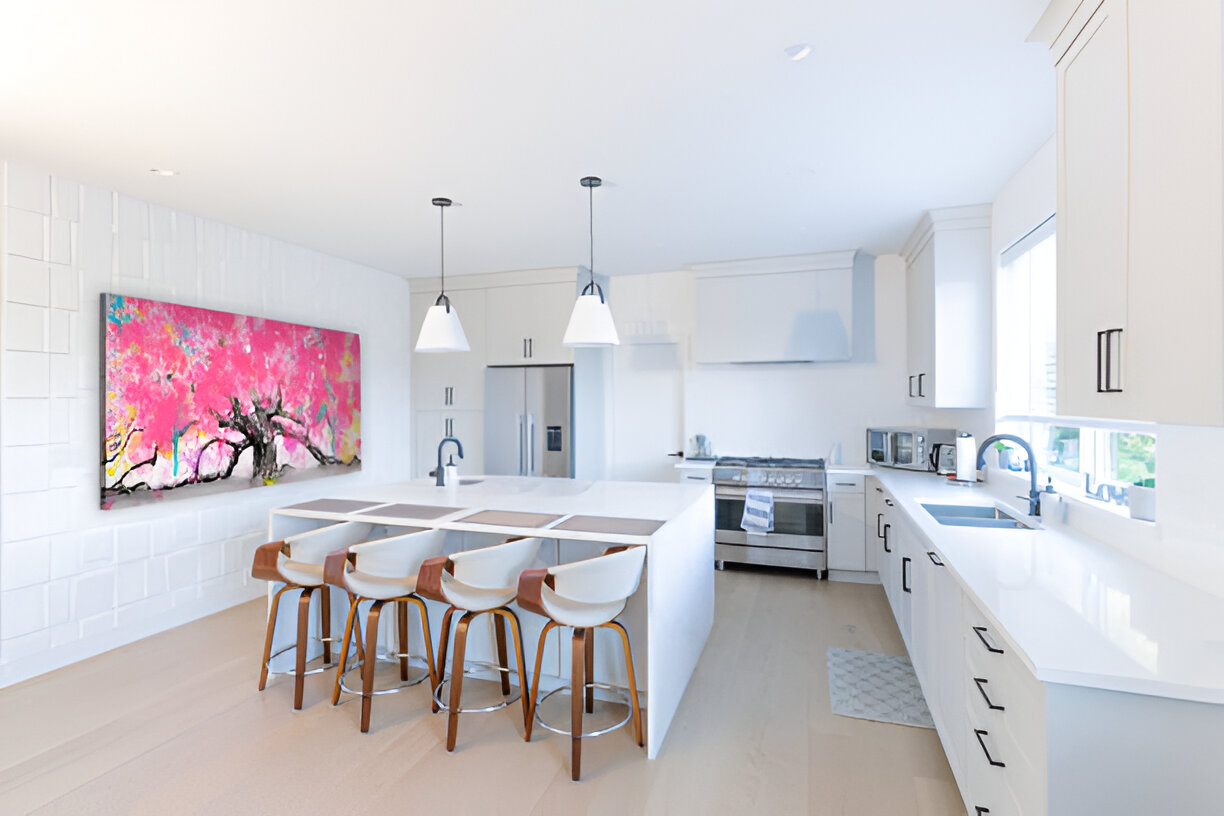
The kitchen is the heart of any home—a space where family meals are prepared, friends gather, and conversations flow. In modern homes, maximizing functionality and style in this area is a priority, especially in Toronto’s urban condos and suburban houses, where space can be limited. One of the most effective ways to elevate your kitchen’s design and efficiency is by adding a kitchen peninsula.
A kitchen peninsula is essentially an extension of your existing cabinetry, creating additional workspace, storage, and often seating, without the need for a freestanding island. Unlike an island, which requires ample room on all sides for movement, a peninsula is attached to the main cabinetry or a wall, making it ideal for smaller kitchens or open-concept layouts.
From small kitchens with peninsulas to luxury custom designs, this versatile feature is transforming the way Torontonians cook, entertain, and interact in their kitchens.
In this guide, we’ll explore everything you need to know about peninsulas, from design considerations to layouts, functionality, and the materials and finishes that make your kitchen pop.
Kitchen Peninsula vs. Island: Choose the Right Fit for Your Space
When planning a kitchen remodel or new construction, one of the first decisions is whether to opt for a kitchen peninsula or a traditional island. Both options increase countertop space and storage, but their suitability depends on your kitchen’s layout, size, and workflow.
Kitchen Peninsula:
- Connected to cabinetry or wall: Creates an L, U, or extended layout.
- Space-saving: Ideal for smaller kitchens because it doesn’t require clearance on all sides.
- Ergonomic advantages: Appliances, sink, and prep areas can be seamlessly integrated into the peninsula for a smoother workflow.
Kitchen Island:
- Freestanding: Can be placed anywhere in the room, provided there’s enough space to move around it.
- Larger footprint: Requires a minimum of 36–42 inches of clearance on all sides for safe traffic flow.
- Multi-purpose potential: Islands often serve as a cooking zone, seating area, and storage hub, but they may not fit well in smaller kitchens.
When a peninsula is better than an island:
- In compact Toronto condos, where floor space is limited.
- In open-concept layouts where a subtle room divider is needed.
- When you want a multifunctional design that accommodates seating without compromising circulation.
Understanding these differences ensures that your kitchen remains functional, accessible, and visually appealing while enhancing workflow and comfort.
Popular Layouts for a Kitchen Peninsula
A peninsula kitchen can take many forms, depending on your space, lifestyle, and design goals. Here are some of the most popular layouts:
1. L-shaped Peninsula Kitchen
This layout extends one side of an L-shaped kitchen into a peninsula, often providing extra seating or prep space. It’s perfect for open-plan designs where the peninsula separates the kitchen from the dining or living area without creating a closed-off feel.
2. U-shaped Kitchen with Peninsula:
Ideal for larger kitchens, this layout adds a peninsula to an existing U-shaped kitchen, increasing countertop space and creating a natural work triangle. This configuration is highly ergonomic, keeping appliances, prep zones, and storage within easy reach.
3. Peninsula Kitchen Attached to the Wall:
When space is extremely tight, a wall-attached peninsula is a practical solution. This design maximizes countertop and cabinet space while allowing free movement around the kitchen. It’s a smart choice for small kitchens with peninsulas, especially in urban Toronto apartments.
4. Visualizing Layouts
Using 3D renderings or diagrams can help you see how a peninsula will fit in your space. Small kitchens can benefit from an L-shaped or wall-attached peninsula, while larger kitchens might accommodate a U-shaped layout with integrated seating or appliances.
Maximizing Functionality: Storage, Seating, and Appliances
A kitchen peninsula isn’t just about extra counter space. It’s also a versatile area for storage, dining, and appliance integration. Here’s how to maximize its functionality:
Storage:
- Add drawers, cabinets, and open shelves to store cookware, utensils, and pantry items.
- Use corner cabinets with pull-out organizers to maximize hard-to-reach spaces.
- In smaller kitchens, consider shallow cabinets for items that are used frequently.
Seating:
- Incorporate a breakfast bar or casual seating area for family meals and entertaining.
- For small kitchens with peninsulas, stools that tuck under the counter save space and maintain a clean aesthetic.
Appliances:
- Peninsulas can house sinks, cooktops, or even under-counter refrigerators, keeping all essentials within reach.
- Electrical outlets on the peninsula allow for convenient use of small appliances like blenders, mixers, or coffee machines.
By strategically planning storage, seating, and appliance integration, a kitchen peninsula becomes the central hub of the room, combining style and practicality.
Materials and Finishes That Make Your Peninsula Pop
The materials and finishes you choose can transform a simple peninsula into a statement piece. Here are some current trends:
Countertops:
- Quartz: Durable, low-maintenance, and available in a variety of colours and patterns.
- Marble: Elegant and timeless, perfect for high-end designs.
- Sustainable wood: Adds warmth and character, especially for custom millwork.
Cabinetry and Hardware:
- Two-tone cabinetry or bold accent colours make peninsulas visually striking.
- Matte or brushed metal handles, or handle-less push-to-open systems, add a modern touch.
Lighting:
- Pendant lights above a peninsula create a focal point and provide task lighting.
- Under-cabinet LED strips enhance functionality and highlight surfaces.
Choosing the right combination of materials, finishes, and lighting ensures that your peninsula not only meets practical needs but also complements your kitchen’s overall style.
Multifunctional Peninsula Ideas for Modern Living
A kitchen peninsula is much more than extra countertop space. It’s a versatile addition that can transform how you use your kitchen every day. Modern homes, especially condos and smaller houses, benefit from multifunctional peninsulas that combine style, practicality, and efficient use of space. Here are some innovative ways to make your peninsula work harder for you:
Breakfast Bar or Casual Dining Space
A peninsula can double as a breakfast bar or casual dining area, making it perfect for family mornings or quick meals. By adding stools or benches along one side, you create an inviting spot for meals, coffee breaks, or casual conversations while cooking. For small kitchens with peninsulas, this eliminates the need for a separate dining table, helping save valuable floor space while maintaining functionality.
Workstation or Homework Zone
In today’s homes, kitchens often serve multiple purposes beyond cooking. A peninsula kitchen can act as a mini office or homework station, providing a convenient surface for laptops, paperwork, or school projects. By integrating storage drawers or open shelving beneath the countertop, you can keep supplies organized and clutter-free. This setup is especially beneficial for Toronto homeowners who are balancing remote work, family life, and entertainment in a single space.
Entertainment Hub for Parties
When entertaining guests, a kitchen peninsula attached to a wall or freestanding in a U-shaped layout can serve as a central hub for snacks, drinks, or appetizers. You can incorporate built-in wine racks, under-counter refrigerators, or display shelves to keep essentials within reach. Pendant lighting or LED accents above the peninsula not only enhances functionality but also elevates the visual appeal, creating a stylish focal point for gatherings.
By designing a multifunctional peninsula, your kitchen becomes more than a cooking area—it transforms into a flexible, social, and efficient living space.
Kitchen Peninsula Design Mistakes to Avoid
While a kitchen peninsula can enhance your home, poor planning can lead to common design pitfalls. Avoid these mistakes to ensure your kitchen remains functional and visually cohesive:
Overcrowding a Small Kitchen
In compact kitchens, adding a peninsula without considering the available space can restrict movement and make the room feel cramped. For small kitchens with peninsulas, ensure at least 36 inches of clearance around the peninsula to maintain comfortable traffic flow.
Poor Traffic Flow
Positioning a peninsula incorrectly can interrupt the natural movement between key areas like the stove, sink, and refrigerator. Maintaining the “kitchen work triangle” is essential for ergonomic efficiency and to prevent congestion during meal preparation.
Mismatched Style with the Rest of the Kitchen
A peninsula that clashes with existing cabinetry, countertops, or flooring can disrupt the visual harmony of your kitchen. Whether you’re adding a peninsula kitchen in a modern condo or a traditional home, ensure the materials, finishes, and hardware complement the overall style for a cohesive look.
Avoiding these mistakes ensures that your kitchen with a peninsula remains stylish and functional, maximizing the value and usability of your space. Proper planning, professional guidance, and attention to detail can turn a simple peninsula into a transformative feature in any home.
Frequently Asked Questions
1. What is a kitchen peninsula, and how is it different from an island?
A kitchen peninsula is an extension of your existing kitchen cabinetry, creating extra counter space and storage without being a free-standing unit like an island. Unlike islands, peninsulas can fit perfectly in smaller kitchens and work well in open-concept layouts.
2. Can I have a peninsula in a small kitchen?
Yes! A small kitchen with a peninsula can maximize storage, provide extra countertop space, and even create a breakfast bar without overcrowding the room. Layouts like L-shaped or wall-attached peninsulas are ideal for compact spaces.
3. What are the best layouts for a kitchen with a peninsula?
Popular layouts include:
- L-shaped peninsula kitchen
- U-shaped kitchen with peninsula
- Peninsula kitchen attached to wall
These designs optimize traffic flow, workspace, and ergonomics while maintaining an open feel.
4. How much does it cost to install a kitchen peninsula?
The cost of a kitchen peninsula depends on the size, materials, and features. On average, installation ranges from $2,000 to $5000, but luxury finishes like quartz or custom cabinetry may cost more. Including seating, a sink, or appliances will increase the price.
5. Can a kitchen peninsula be multifunctional?
Absolutely! Peninsulas can serve as a breakfast bar, workstation, or entertainment hub. You can even integrate a sink, cooktop, or outlets for small appliances to make it fully functional.
6. Are kitchen peninsulas suitable for homes in Toronto?
Yes! Homeowners in Toronto love peninsulas because they work well in both modern condos and suburban houses. Our team at Jatoba Kitchens and Millwork specializes in custom-designed peninsulas tailored to local homes and space requirements.
7. How can I choose the right kitchen peninsula design for my home?
Consider kitchen size, workflow, storage needs, and seating preferences. Consulting a professional design team ensures your peninsula complements your home’s layout while maximizing both style and function.
Transform Your Home with Custom Kitchen Designs in Toronto
Are you ready to elevate your kitchen into a space that combines style, functionality, and personalized luxury? At Jatoba Kitchens and Millwork, our custom kitchen designs in Toronto are crafted to fit your lifestyle, whether you’re looking for a sleek modern peninsula, a spacious U-shaped layout, or a compact solution for a small kitchen. From premium materials and innovative storage solutions to seamless integration of appliances and seating, every detail is tailored to you.
Experience the perfect blend of beauty and practicality with designs that reflect your taste and maximize your space. Our expert team in Toronto will guide you through every step, from concept to installation, ensuring your dream kitchen becomes a reality.
Reach out to us today to schedule a consultation and discover how our custom kitchen designs in Toronto can transform your home into a space you’ll love for years to come.
Leave A Comment